 Patient portal
 Donate Today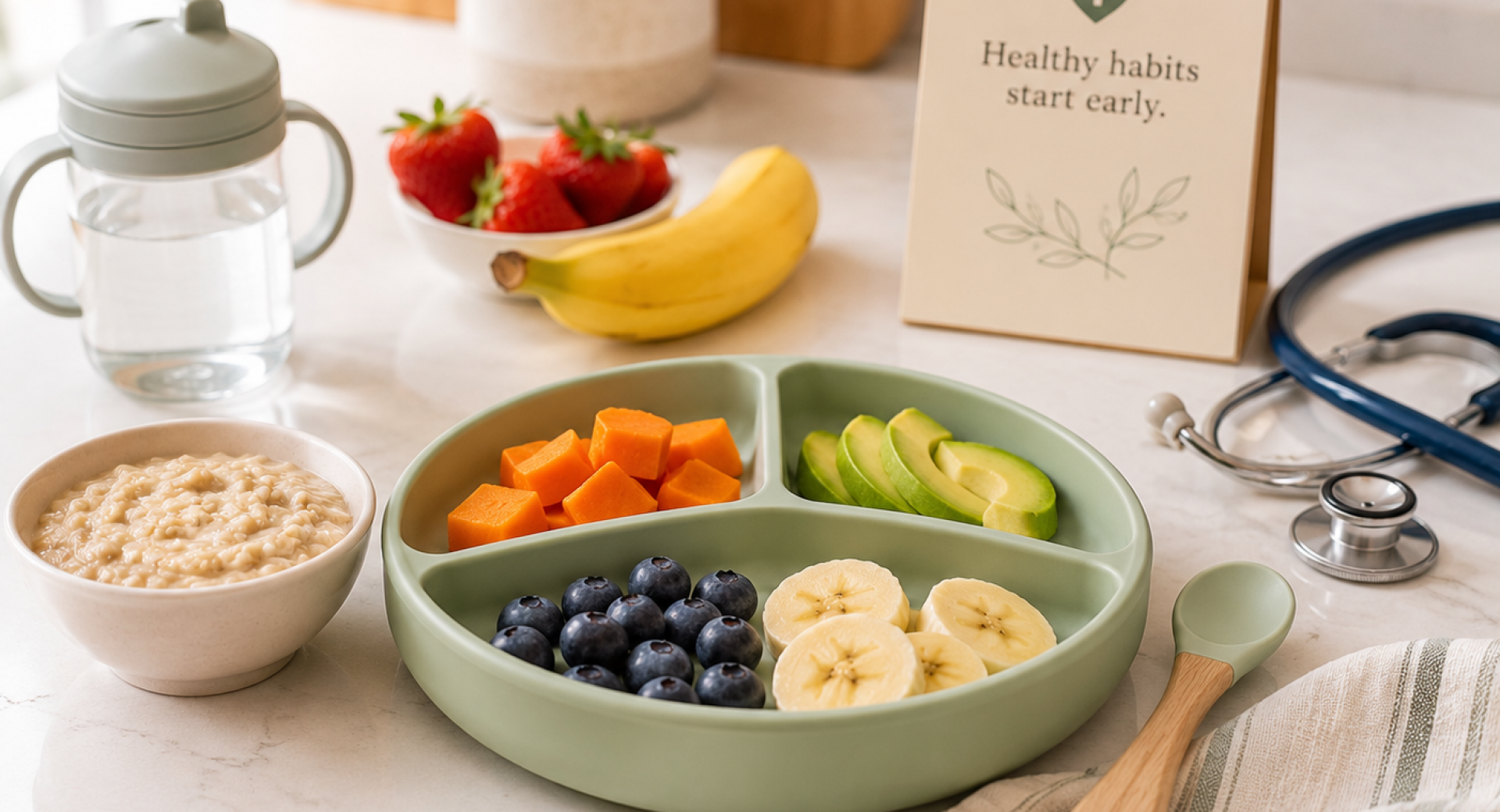
Foods Young Children Should Avoid
What every parent should know about keeping babies and toddlers safe and healthy at mealtime
NEW ORLEANS, July 16 — As babies grow into toddlers, introducing new foods is an exciting milestone. It is also a time when many parents have questions about what is safe to serve and what should wait until children are a little older.
While offering a variety of nutritious foods helps support healthy growth and development, some foods and drinks should be avoided or limited during the first two years of life.
At BCHS, we believe healthy habits start early. Knowing which foods to avoid can help protect your child's growing body while setting the stage for a lifetime of healthy eating.
Skip the honey during the first year
Honey may seem like a natural sweetener, but it is not safe for babies younger than 12 months.
According to the Centers for Disease Control and Prevention (CDC), honey can contain bacteria that cause infant botulism, a rare but serious illness that affects a baby's developing nervous system.
Avoid adding honey to foods, bottles, water, formula, or even pacifiers until after your child's first birthday.
Added sugars are not needed
Babies and toddlers do not need foods with added sugars.
Foods such as cookies, muffins, flavored yogurts, fruit snacks, and many packaged toddler foods can contain added sugars that provide calories without important nutrients.
The Dietary Guidelines for Americans recommend avoiding added sugars for children younger than 2 years old.
When shopping, take a moment to read the Nutrition Facts label and choose foods with little or no added sugar whenever possible.
Be mindful of salty foods
Young children need much less sodium than adults.
Highly processed foods such as hot dogs, lunch meats, frozen meals, canned soups, and packaged snack foods often contain large amounts of salt.
Too much sodium can make it difficult for children to develop healthy eating habits and may contribute to health concerns later in life.
Whenever possible, choose fresh foods or products labeled "low sodium" or "no salt added."
Choose fish wisely
Fish can be an excellent source of protein, healthy fats, and nutrients that support brain development.
However, some fish contain higher levels of mercury, which can affect a child's developing brain and nervous system.
The CDC recommends avoiding fish such as:
- Shark
- Swordfish
- King mackerel
- Marlin
- Orange roughy
- Tilefish from the Gulf of Mexico
- Bigeye tuna
Instead, choose lower-mercury options such as salmon, cod, tilapia, trout, or shrimp.
Avoid raw or unpasteurized products
Unpasteurized milk, juices, cheeses, and yogurt may contain harmful bacteria that can cause serious illness in young children.
Always choose pasteurized dairy products and juices to help reduce the risk of foodborne illness.
Watch what your child drinks
What children drink is just as important as what they eat.
The CDC recommends avoiding:
- Sugary drinks
- Flavored waters with added sugar
- Sports drinks
- Soda
- Coffee
- Tea
- Energy drinks
- Caffeinated beverages
Children younger than 12 months should also avoid cow's milk and fruit juice.
After age 1, whole fruit is a healthier choice than juice because it provides fiber and other important nutrients. The American Academy of Pediatrics recommends limiting 100 percent fruit juice to no more than 4 ounces per day for children ages 1 through 3.
Water and plain milk remain the best everyday beverage choices for most young children.
Small choices make a big difference
The first two years of life are an important time for growth, learning, and healthy development.
Choosing nutrient-rich foods while limiting foods that contain added sugars, excess sodium, or unnecessary ingredients can help build healthy habits that last a lifetime.
Every meal is an opportunity to support your child's future health.
BCHS Is Here for Your Family
Whether you have questions about introducing new foods, your child's nutrition, or healthy development, our Pediatric team is here to help.
Together, we can help your child build healthy habits from the very beginning.
To schedule an appointment, call 504.533.4999 or visit our website to learn more about our Pediatric services.
Sources: Centers for Disease Control and Prevention, Foods and Drinks to Avoid or Limit; American Academy of Pediatrics.