
 Patient portal
 Donate Today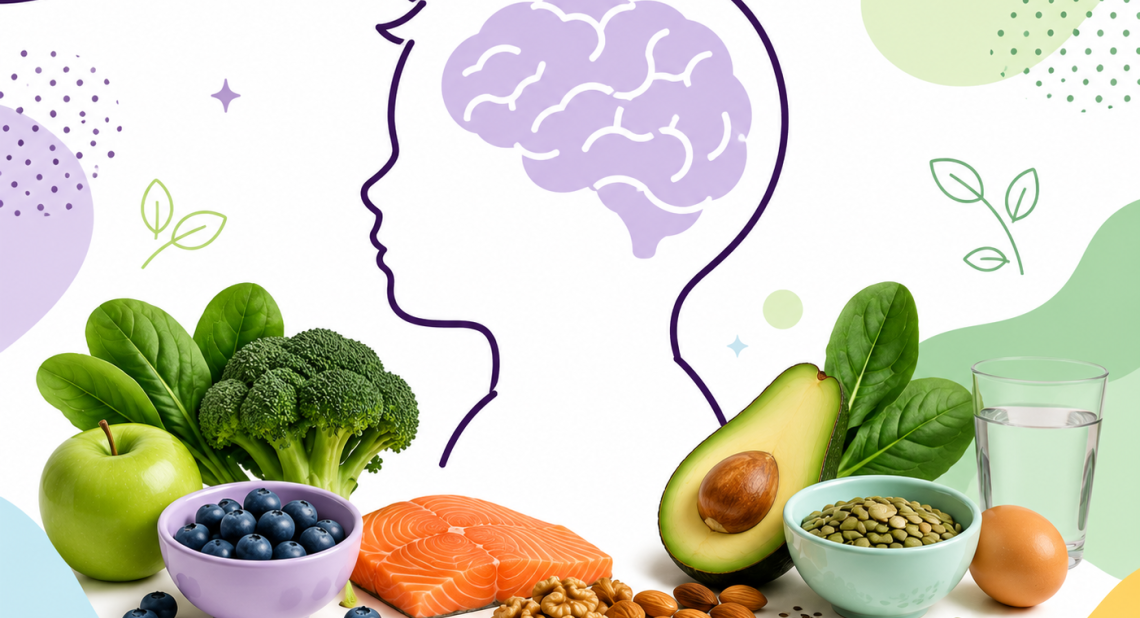
Fueling Focus: How Nutrition Can Support Children With ADHD
What children eat may play a bigger role in focus, mood, and behavior than many families realize
NEW ORLEANS, May 7 — Attention Deficit Hyperactivity Disorder, more commonly known as ADHD, affects millions of children across the country. While medication and behavioral support remain important tools for treatment, more families are beginning to ask another important question:
Can nutrition make a difference too?
At BCHS, our Behavioral Health and Pediatric teams believe caring for children means looking at the full picture, including what fuels a growing brain.
Research continues to show that certain nutrients, eating patterns, and even food additives may influence focus, attention, mood, and emotional regulation in children with ADHD.
Why nutrition matters for the developing brain
Children’s brains are still growing and developing, especially during the school age and teenage years. Nutrients help support memory, concentration, emotional regulation, and learning.
According to information provided by BCHS Chief of Behavioral Health, children with ADHD are often found to have lower levels of nutrients linked to brain health, including:
• Omega 3 fatty acids
• Iron
• Zinc
• Magnesium
• Vitamin D
• B vitamins
These nutrients help support dopamine and serotonin, two important brain chemicals connected to focus, motivation, and mood.
Foods that may help support focus
While there is no single “ADHD diet,” research supports prioritizing whole, nutrient dense foods that help fuel the brain and body.
Some foods linked to better brain health include:
• Fatty fish like salmon and tuna
• Eggs and lean proteins
• Nuts and seeds
• Fruits and vegetables
• Whole grains
• Dark leafy greens
Balanced meals with protein, healthy fats, and fiber may help children maintain steadier energy and concentration throughout the day.
The conversation around food dyes and ultra processed foods
Another growing area of research involves synthetic food dyes and highly processed foods.
Studies referenced in BCHS Behavioral Health materials note that certain artificial dyes, including Red 40 and Yellow 5, may worsen hyperactivity or behavioral symptoms in some children.
Foods commonly containing these additives include:
• Brightly colored candies
• Sports drinks
• Packaged snack foods
• Some cereals and desserts
Not every child reacts the same way, but many families choose to pay closer attention to ingredient labels and how certain foods affect behavior.
Small changes can still make a difference
Nutrition does not need to feel overwhelming or restrictive.
At BCHS, we encourage families to focus on progress over perfection. Small changes over time can still support healthier habits.
This may look like:
• Adding more water throughout the day
• Including protein with breakfast
• Swapping processed snacks for fruit or nuts
• Cooking more meals at home
• Paying attention to how foods affect mood and focus
Consistency matters more than perfection.
ADHD care is not one size fits all
It is important for families to know that nutrition alone is not considered a cure for ADHD. Every child is different, and treatment plans should always be personalized.
For some children, nutrition changes may be one helpful piece of a larger support plan that can also include:
• Behavioral therapy
• Counseling
• School support
• Medication management
• Healthy sleep routines
The goal is to help children thrive academically, emotionally, and socially.
BCHS is here to support your family
During Mental Health Awareness Month, BCHS is continuing conversations that connect physical health, emotional well being, and everyday habits.
If you have questions about ADHD, nutrition, behavioral health, or your child’s overall development, our Pediatric and Behavioral Health teams are here to help.
Call 504.533.4999 or visit our website to learn more about our services.